The checkout screen says “convert to EMI” and your phone shows a pre-approved personal loan SMS. The cheaper choice is the one with the lower total amount payable and the shorter time your credit limit stays blocked, not the one with the smaller monthly instalment.
Diving Finance is not a SEBI-registered investment adviser. The author and site do not hold positions discussed here as advice. This article is for education only and is not investment, tax or legal advice. Confirm product terms with your bank or card issuer and a chartered accountant before you borrow.
Key Highlights
- Compare the total amount payable on the same principal and the same number of months, not the EMI alone.
- Interest on a normal loan is exempt from GST, but GST notifications carve out “interest involved in credit card services”, so card EMI interest generally attracts GST. Processing fees on both products attract GST.
- RBI told banks back in 2013 that “the very concept of zero percent interest is non-existent”. Read the breakup of any no-cost EMI offer.
- A card EMI usually blocks part of your credit limit until it is repaid, which can push up utilisation.
- A personal loan does not touch your card limit, but it brings its own processing fee, documents and credit check.
- Rates in this article are illustrative only. Your offer letter and the issuer’s terms decide the real cost.
- Use our EMI calculator to test your own numbers before you confirm.
Quick comparison table
| Feature | Card EMI | Pers. loan |
|---|---|---|
| What it is | Purchase split into instalments on your card | Separate term loan paid to your bank account |
| Approval | Usually instant on eligible spends | Credit check, sometimes documents |
| Typical tenure | Often 3 to 24 months (issuer specific) | Often 12 to 60 months (lender specific) |
| Interest cost | Issuer rate, plus GST on interest | Lender rate, no GST on interest |
| Fees | Conversion or processing fee plus GST | Processing fee plus GST |
| Credit limit | Outstanding EMI principal usually blocks limit | Card limit untouched |
| Prepayment | Foreclosure fee common; check terms | Foreclosure terms in loan agreement |
What each product actually is
These three products sound alike in bank ads, but they are priced and reported differently. Mixing them up is the most common reason people compare the wrong numbers.
Purchase EMI conversion
You buy something on your credit card and convert that purchase into fixed monthly instalments, either at checkout or later in the card app. The issuer charges interest on the converted amount, often adds a one-time conversion or processing fee, and bills the EMI inside your monthly statement.
The EMI becomes part of your minimum amount due. If you miss it, late fees and revolving interest can apply on top.
Loan on credit card (cash to bank)
Many issuers offer a pre-approved “loan on card” that sends cash to your bank account against your card relationship. It is not the same as converting a purchase. Some issuers carve it out of your existing limit and some offer it over and above the limit, so read the terms.
Personal loan (term loan)
A personal loan is an unsecured term loan from a bank or NBFC with its own sanction letter, repayment schedule and loan account. It does not use your card limit. For the basics of how loans work, see our explainer on what a loan is and the main types.
One trap sits outside both options: carrying a revolving card balance by paying only the minimum due. Revolving interest is usually far higher than either EMI conversion or a personal loan, so treat it as the thing to avoid, not a third choice.
Cost building blocks: rate, tenure, fees, GST
Four numbers decide what you really pay. Ask for all four in writing before you say yes.
Interest rate and method. Ask whether the rate is on a reducing balance or a flat basis. A flat rate looks smaller but costs more, because interest is charged on the full original amount for the whole tenure.
Tenure. A longer tenure lowers the EMI and raises total interest. Card EMIs are usually shorter, which can keep total interest down even at a higher rate.
Fees. Card issuers often charge a conversion or processing fee, and personal loans almost always carry a processing fee. Both may also carry foreclosure charges.
GST. Under entry 27 of Notification 12/2017 Central Tax (Rate), as quoted in CBIC Circular 218/12/2024 GST, interest on loans is exempt “other than interest involved in credit card services”. In plain terms, card EMI interest generally attracts GST while personal loan interest does not. The same circular treats processing or loan granting fees as taxable. GST on financial services is commonly 18%, but confirm the rate on your statement.
Worked example (illustrative)
The numbers below are made up for teaching. They are not a quote from any bank. Assume a card EMI at 16% a year on a reducing balance with a 1% conversion fee, and a personal loan at 12% a year with a 2% processing fee. GST is taken at 18% on card interest and on both fees.
| Item | Card EMI | Pers. loan |
|---|---|---|
| Principal, tenure | Rs 50,000, 12 months | Rs 50,000, 12 months |
| Monthly EMI | About Rs 4,537 | About Rs 4,442 |
| Total interest | About Rs 4,439 | About Rs 3,309 |
| Fee | Rs 500 | Rs 1,000 |
| GST | About Rs 889 | About Rs 180 |
| Total payable | About Rs 55,827 | About Rs 54,489 |
At Rs 2 lakh over 24 months with the same assumptions, the gap widens. The card EMI totals about Rs 2,43,687 and the personal loan about Rs 2,30,673, mainly because GST applies to two years of card interest.
Flip the assumptions and the answer flips. A short 3 or 6 month card EMI with a low fee can cost less than a personal loan whose processing fee is spread over very few months. That is why you should run your own offer through the EMI calculator: enter the principal, the rate and the months for each option, then add fees and GST by hand. More tools sit on our calculators page.
Credit score and utilisation
Credit utilisation is the share of your card limit that is in use. Card EMIs usually reduce available limit by the outstanding EMI principal, and the limit frees up as you repay. Bureaus do not publish one exact formula, but a high, long-running utilisation can weigh on your score.
Take a card with a Rs 1 lakh limit and a Rs 60,000 EMI. You start with Rs 40,000 of headroom for daily spends and emergencies. A personal loan adds a new loan account to your report instead, and the lender’s enquiry is recorded.
Both products help your history when you pay on time and hurt it when you miss dues. The difference is where the pressure shows up.
No-cost EMI: what to verify
RBI’s 17 September 2013 circular on pernicious practices said that in zero percent EMI schemes “the interest element is often camouflaged and passed on to customer in the form of processing fee”. It asked banks to pass merchant discounts to the customer by reducing the loan amount, not by advertising zero interest.
Today a typical no-cost EMI works through a discount from the brand or merchant that roughly offsets the interest the issuer charges. GST on that interest, and any processing fee with its GST, may still land on you. Check the following before you confirm:
- Is there an upfront discount, and does the EMI breakup show interest being charged?
- What is the GST line on your first statement?
- Is there a processing or conversion fee?
- Would you get a bigger cash discount if you paid in full?
How GST is shared between merchant, issuer and customer varies by scheme. Treat the statement breakup as the final word.
When each option usually fits
These are decision frames, not recommendations. Your offer letters decide.
Card EMI often fits smaller amounts over short tenures, when the issuer fee is low, when a genuine merchant discount applies, and when your remaining limit stays comfortable.
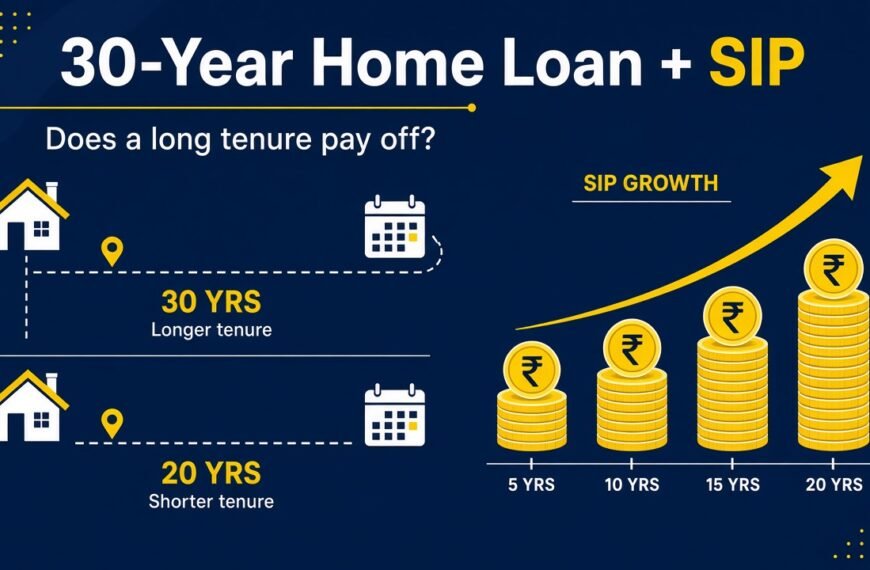
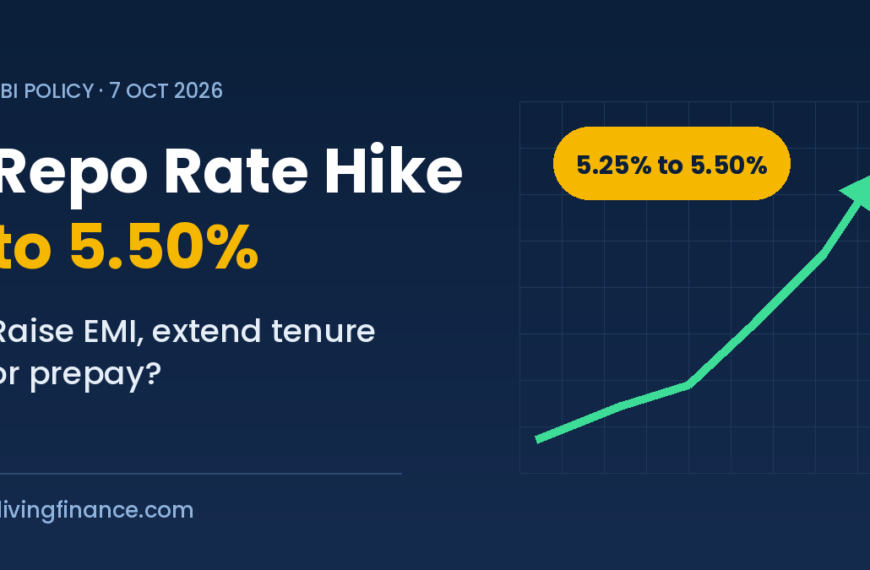
A personal loan often fits larger amounts over longer tenures, when you need cash rather than a purchase, or when a card EMI would block most of your limit. Home loan borrowers weighing EMI against tenure can also read our note on repo rate changes and home loan EMI vs tenure.
Clearing existing card dues is a separate problem. Some people compare a personal loan against a high revolving balance. If you are there, stop new card spends first and read our guide on breaking free from debt.
Expert take: Ashutosh Joshi
“Before you tap convert to EMI, ask two questions: what is the total amount I will pay, and how much of my card limit stays blocked until the last instalment? A lower monthly EMI with a higher total cost is still the dearer loan. Put both offers on the same principal and months, add every fee and the GST, and pick the smaller total. If the numbers are close, keep your card headroom free for emergencies.”
Frequently asked questions
Is credit card EMI cheaper than a personal loan?
It depends on your offers. Compare the total amount payable, including interest, fees and GST, on the same principal and the same months. For larger sums and longer tenures a personal loan often shows a lower total, partly because loan interest carries no GST. For small, short EMIs with low fees, the card can come out cheaper.
Does credit card EMI block my credit limit?
Usually yes. Most issuers reduce your available limit by the outstanding EMI principal and release it as you repay. That can raise your utilisation for months. Check your card app after conversion to see the exact blocked amount.
Is no-cost EMI really free?
Not always. RBI has said the concept of zero percent interest is non-existent. Usually a merchant discount offsets the interest, but GST on that interest and any processing fee may still be charged to you. Read the EMI breakup and your first statement before you rely on the “no-cost” label.
Will either option affect my credit score?
Both can. Paying on time builds your history and missing dues hurts it, whichever product you choose. A card EMI can also raise your utilisation, while a personal loan adds a new account and a hard enquiry to your credit report.
Can I prepay a credit card EMI?
Many issuers allow foreclosure, often with a fee and GST on that fee. On closure the remaining principal is usually billed in one go to your card. Ask for the foreclosure charge before you convert, and pay the full billed amount so it does not start revolving.
Should I take a personal loan to clear credit card dues?
Some people compare that route for high revolving balances. Work out the total cost of the loan, including the processing fee, against what the revolving balance would cost, and stop new card spends first. This is education, not a recommendation, so talk to your bank or a financial professional about your case.
Sources
- Reserve Bank of India, circular RBI/2013-14/292 DBS.CO.PPD No. 3578/11.01.005/2013-14, 17 September 2013, “Pernicious practices of select banks deterring customer protection and accounting integrity”: https://www.rbi.org.in/scripts/NotificationUser.aspx?Id=8461
- CBIC, Circular No. 218/12/2024 GST (quoting entry 27 of Notification 12/2017 Central Tax (Rate)), via GST Council: https://gstcouncil.gov.in/sites/default/files/2024-09/circular-no-218-12-2024.pdf
- Rates in the worked example are illustrative assumptions by the author, not lender quotes.
Diving Finance is not a SEBI-registered investment adviser. The author and site do not hold positions discussed here as advice. This article is for education only and is not investment, tax or legal advice. Confirm product terms with your bank or card issuer and a chartered accountant before you borrow.